USA Life, LLC is a U.S.-registered digital media and publishing company delivering authoritative coverage of American lifestyle, culture, social trends, and public conversation.
From breaking stories to long-form cultural features — USA Life covers the full spectrum of American life.
USA Life, LLC is a formally registered U.S. media and digital publishing company. We produce, curate, and distribute high-quality content that speaks to the full spectrum of American life.
Our editorial mission: deliver credible, engaging, and culturally relevant content that treats every reader as a thoughtful participant in the American conversation.
A U.S.-registered digital media and publishing company built to tell the stories of American life with credibility, depth, and purpose.
USA Life, LLC was founded with a singular conviction: that American life — in all its richness, complexity, and contradiction — deserves dedicated, professional, and authoritative media coverage.
We are not a personal blog. We are not a side project. We are a formally registered media company committed to publishing editorial content that reflects the real lives, opinions, and cultural movements of people across the United States.
From small-town community stories to national social trends — USA Life covers the American experience with seriousness and the accessibility modern readers demand.
To deliver credible, engaging, and culturally relevant content that amplifies American voices and reflects the realities of life in the United States.
To become one of America's most trusted independent digital media brands — known for quality, fairness, and a deep connection to the communities we serve.
Editorial independence, factual accuracy, and authentic storytelling are non-negotiable pillars of the USA Life brand — in everything we publish.
Every story we publish is held to a standard of factual integrity. Our readers trust us because we earn that trust with every piece we put out.
America is a vast and diverse nation. Our coverage reflects that — stories from every corner of the country, across backgrounds, regions, and perspectives.
We publish what matters — not what generates clicks at the cost of quality. Our editorial lens is always focused on what our audiences genuinely need and want to know.
USA Life maintains complete editorial independence. We are not beholden to any political entity or special interest. Our only obligation is to our readers and to the truth.
USA Life covers the full landscape of American life — from culture and community to trends, opinion, and breaking news.
Each category reflects a distinct dimension of American society — curated, produced, and published with editorial purpose.
How Americans live, work, eat, travel, and experience daily life. From home and family to wellness, work culture, and the American dream.
What Americans think — polls, surveys, sentiment analysis, and deep-dives into the issues that divide, unite, and define public discourse.
Emerging behaviors, cultural shifts, and societal patterns shaping how Americans interact, identify, and evolve across generations.
Real-time reporting on significant developments across American society — presented with context, clarity, and responsible editorial judgment.
Arts, entertainment, music, sports, and the creative expressions that define American cultural identity — from pop culture to fine arts.
Human-interest stories and grassroots narratives from communities across all 50 states. The unsung voices that deserve national attention.
America's trending conversations — what's going viral, what people are debating online, and why certain moments capture the national imagination.
In-depth reporting, cultural features, trending stories, and editorial analysis covering the American experience.
Despite the rise of social media and remote work, a countertrend is emerging — a renewed emphasis on physical community and local belonging.
From Phoenix to Pittsburgh, municipalities large and small are undergoing dramatic transformations driven by technology and migration patterns.
A comprehensive survey across all 50 states has revealed striking consensus among Americans about what they value most.
A new generation of American travelers is hitting the road — with smartphones, van conversions, and a very different idea of freedom.
Viral social media clips are directly triggering community organizing, public meetings, and even local legislation across America.
Across the heartland, a quiet economic and creative renaissance is underway in towns that refused to be left behind.
USA Life offers professional digital media, branded content, and strategic publishing services for brands seeking to reach American audiences.
USA Life is more than a publication. We operate as a professional digital media company capable of producing high-quality content, managing audience-focused campaigns, and building meaningful media partnerships.
Whether you are a brand looking to tell an authentic American story, or an organization seeking media visibility — USA Life has the platform and expertise to deliver.
End-to-end editorial content production — from research and writing to design, publication, and distribution across digital platforms that performs and resonates with American audiences.
Premium, editorially integrated branded content that aligns with USA Life's voice and credibility. Reach engaged readers with content that informs and persuades rather than interrupts.
Multi-platform social content strategy, production, and publishing. We translate editorial stories into shareable, platform-native content that drives engagement across all major networks.
Custom content campaigns built around specific audience segments, combining editorial insight with audience data to connect with the right American readers at the right time.
Strategic long-term media partnerships with brands, agencies, and institutions. We collaborate to build sustained editorial presence and ongoing publishing relationships.
Editorial coverage, press releases, and digital PR amplification through the USA Life platform. We help organizations gain credible media presence within a trusted American publishing brand.
Fill in the form below and we'll get back to you personally. We read every message.
Write your name, request, and details below — we'll reply directly to your email.
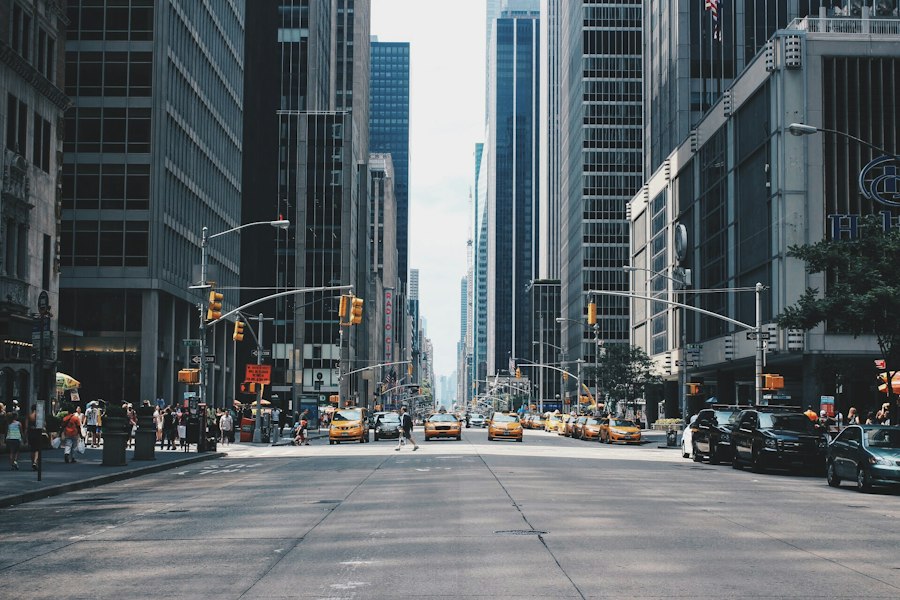
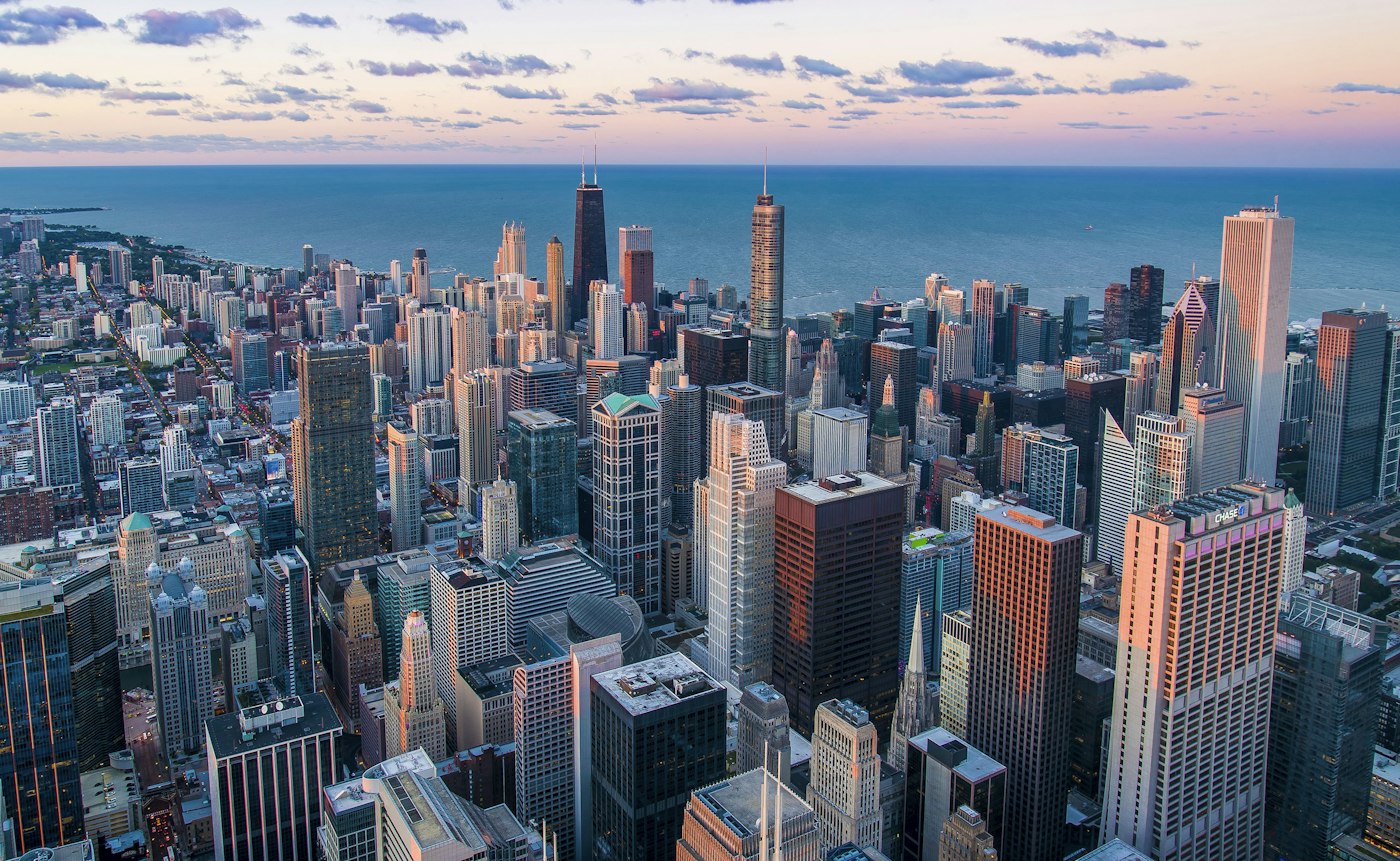
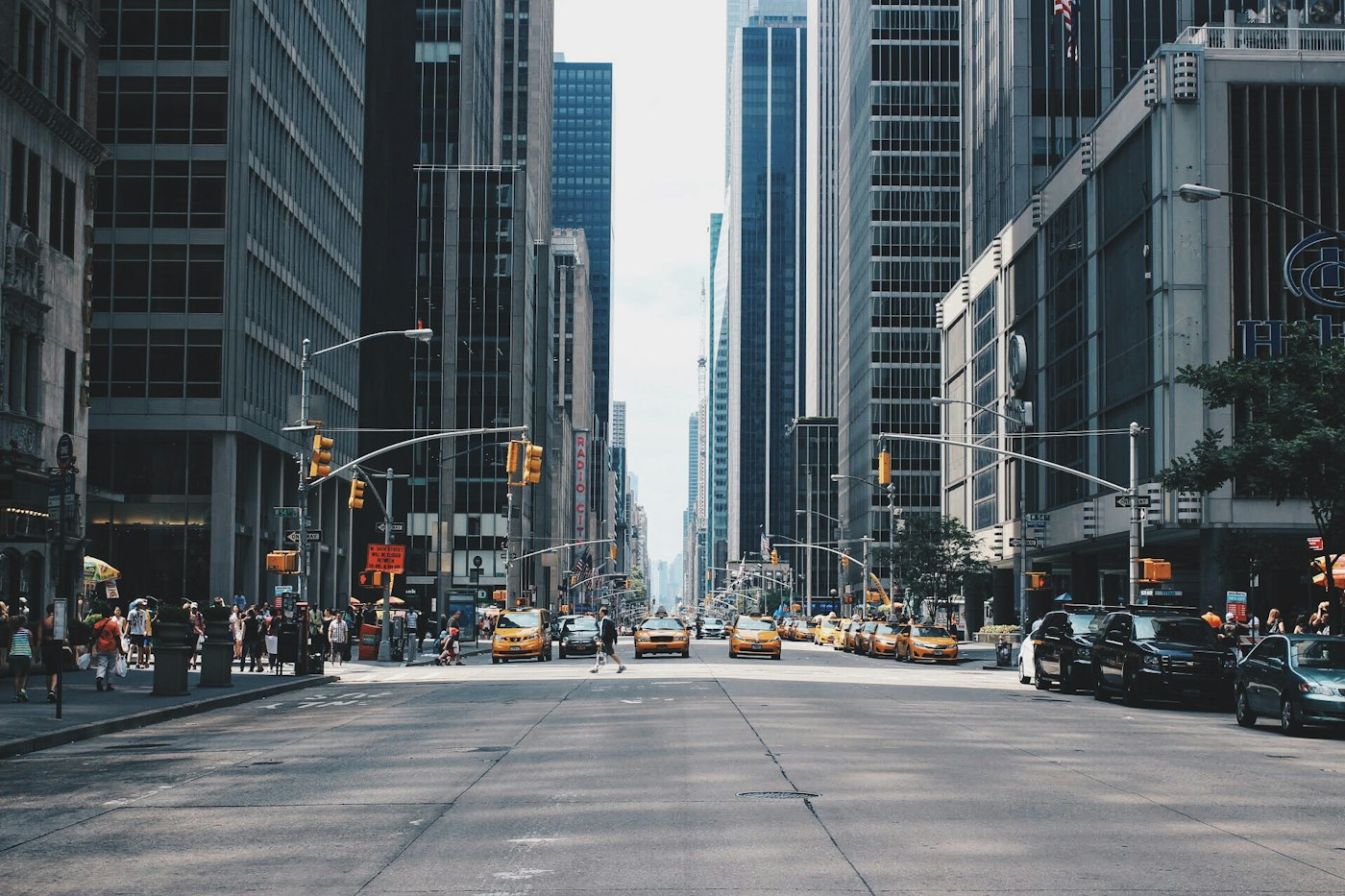
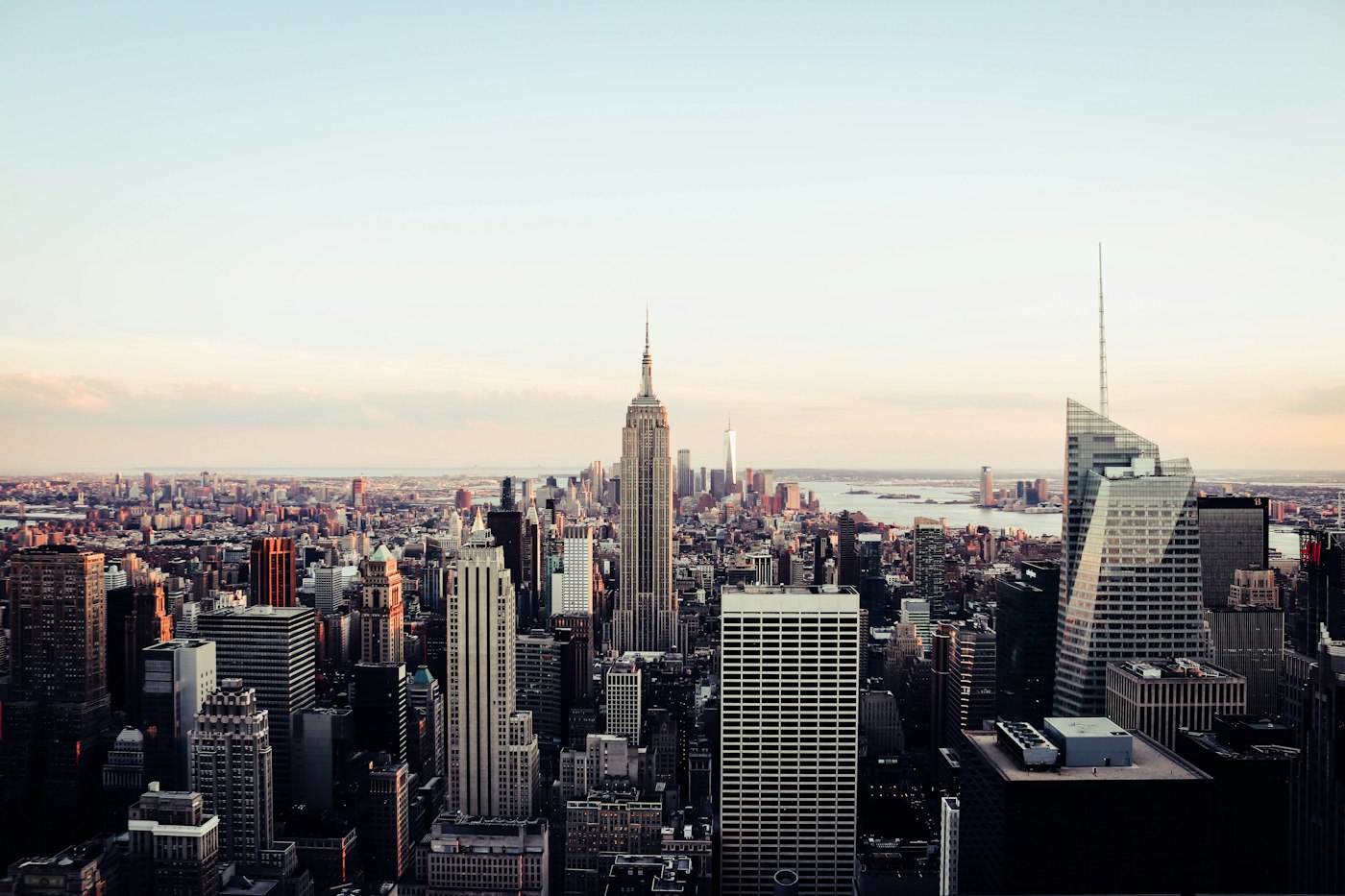
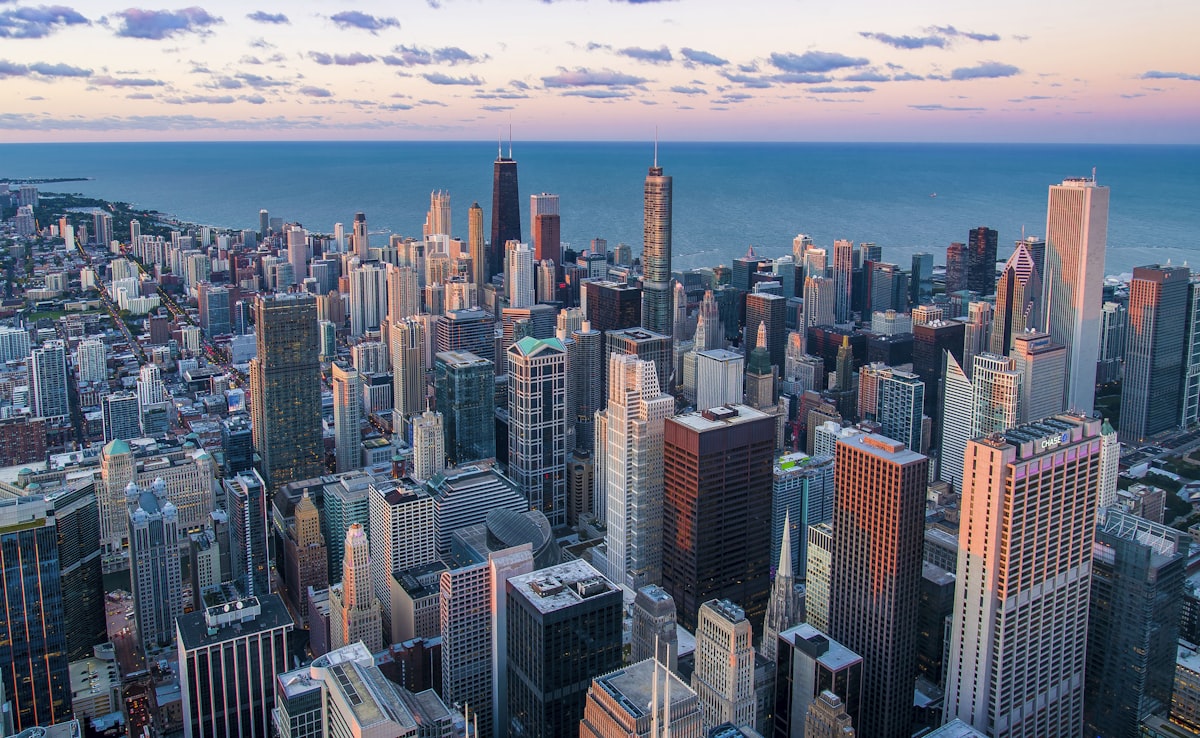
Across the United States, a quiet revolution is reshaping the face of American cities. From the sun-soaked boulevards of Phoenix to the revitalized waterfronts of Pittsburgh, municipalities large and small are undergoing dramatic transformations driven by technology, migration patterns, and a generation that thinks differently about where and how to live.
The widespread adoption of remote work has fundamentally altered the calculus of urban living. For decades, proximity to employment centers was the primary driver of residential decisions. Today, millions of Americans are untethered from traditional office requirements — and they are voting with their feet. Cities like Austin, Nashville, Boise, and Raleigh have experienced explosive population growth as knowledge workers depart expensive coastal metros in search of lower costs of living, more space, and a different quality of life.
"The city of the future isn't necessarily the biggest or the oldest — it's the one that can adapt fastest to what people actually want from urban life."
For a city to compete in the 21st century, robust digital infrastructure is no longer a luxury — it is a fundamental requirement. Gigabit internet access, smart traffic systems, digital permitting, and connected public transit have become the roads and bridges of the new urban economy. Cities that have invested aggressively in fiber optic networks are seeing tangible economic returns — attracting companies and startups that would previously have clustered exclusively in Silicon Valley or New York.
Beyond infrastructure and economics, the cities thriving in the digital age share a common cultural trait: they have cultivated environments where creativity, diversity, and experimentation are actively encouraged. Maker spaces, innovation districts, arts corridors, and mixed-use developments are drawing young talent seeking communities that reflect their values.
The redefinition of American cities is an ongoing negotiation between tradition and transformation. What is certain is that the cities willing to innovate — in governance, in infrastructure, in culture — will lead the next chapter of American life.
In an era often defined by division, something quietly remarkable is happening in neighborhoods, church basements, community centers, and local libraries across America. Citizens who would never encounter one another in their digital echo chambers are sitting across tables, sharing meals, and discovering they have more in common than their social media feeds suggested.
Organizations dedicated to facilitated community dialogue have reported significant growth in participation. Programs like "Better Angels" and "Living Room Conversations" are bringing together Americans from across the political spectrum for structured, good-faith conversations about the issues that divide them. What participants consistently report is not that they change their minds on every issue — but that they come away with a more nuanced understanding of why their neighbors hold different views, and with a renewed sense of shared humanity.
"When you sit across from someone and hear their story, it's much harder to reduce them to a political label. That's the whole point."
Many communities are discovering that local action can yield results that national politics cannot. City councils, school boards, and neighborhood associations are finding pragmatic common ground on questions of public safety, infrastructure, education, and economic development that transcend partisan categories.
Urban planners increasingly emphasize the importance of "third places" — spaces that are neither home nor work — in fostering community cohesion. Libraries, parks, community centers, local diners, and houses of worship serve as natural gathering points where Americans from different backgrounds encounter one another organically.
A comprehensive new survey conducted across all 50 states has revealed striking consensus among Americans about what they value most in the communities where they live — consensus that cuts across political, geographic, and demographic lines in ways that may surprise those accustomed to narratives of division.
When asked to rank their priorities for their local communities, Americans placed personal safety and neighborhood stability at the top — with 84% describing these as "very important" or "extremely important." This finding held consistently across urban, suburban, and rural respondents, and showed minimal variation across political affiliations.
"The data tells a story that often gets lost in national debates: most Americans want the same basic things. Where we differ is in how we think those things should be achieved."
Access to good-paying jobs and economic opportunity ranked second overall, with particular emphasis among respondents in rural communities and smaller cities where manufacturing and industrial employment have declined over recent decades.
The survey's most significant finding may be the simplest: beneath the noise of national political conflict, Americans share a remarkably coherent vision of what a good community looks like. The challenge — and the opportunity — lies in translating that shared vision into shared action.
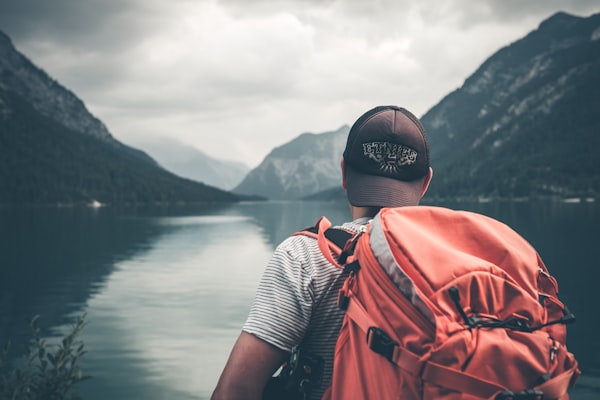
There is something eternal about the American road trip — the open highway stretching to the horizon, the sense of possibility contained in a full tank of gas and an unscheduled week. But look closer at today's travelers and you will find that while the romance is timeless, nearly everything else has changed.
What began as a niche subculture documented on Instagram has evolved into a genuine lifestyle movement. Estimates suggest that hundreds of thousands of Americans are currently living and working from vehicles full-time — a figure that has roughly tripled since 2020. The pandemic, which simultaneously unshackled millions of workers from office requirements and triggered a profound reassessment of priorities, accelerated a trend that was already underway.
"My parents measured success by the size of their house. I measure it by where I woke up this morning." — Road traveler, 26, Oregon
The modern road trip is made possible by technology that previous generations could not have imagined. Reliable high-speed mobile internet has transformed the economics of remote work, making it genuinely feasible to earn a living from a parking spot in the Sonoran Desert or a campground in the Appalachians.
Perhaps the most significant cultural dimension of the road trip revival is what it says about young Americans' relationship with their country's physical landscape. National parks have seen record visitation — driven substantially by this new generation of mobile travelers exploring corners of America that their peers in cities rarely encounter. There is something quietly patriotic about it — a generation choosing to know their country intimately, mile by mile, landscape by landscape.
The narrative of rural America's decline has been told so many times that it has taken on the quality of established fact. Factories closed. Young people left. Main Streets emptied. But across the American heartland, a different story is quietly unfolding.
Among the most significant demographic shifts of the post-pandemic period has been a measurable return migration to smaller communities by people who grew up there, left for education or economic opportunity, and are now choosing to come back — bringing with them skills, capital, and networks acquired in major cities. These returnees are opening businesses, buying and renovating historic buildings, launching nonprofits, and running for local office.
"I spent twelve years in Chicago building a career. But when I asked myself where I wanted to raise my kids — I kept coming back to home." — Small business owner, Hazard, Kentucky
Across rural America, craft breweries have emerged as an unlikely but remarkably effective engine of community revitalization. In dozens of communities, a locally-owned brewery has served as the first business to occupy a long-vacant downtown building — and has subsequently catalyzed a cluster of complementary businesses: restaurants, boutiques, music venues, and bed-and-breakfasts.
If there is a single policy variable that separates thriving rural communities from those that continue to struggle, it is reliable high-speed broadband internet access. Communities with robust connectivity have been able to attract remote workers, support local entrepreneurs, and retain young people who might otherwise leave in search of economic opportunity available only in cities.
The rural revival is not a story of towns returning to what they once were. What is happening instead is something more interesting and more sustainable: communities are reinventing themselves around new economic models, new amenities, and new identities that honor their heritage while building genuinely viable futures.